

Happy Friday, writing budlets!
Wow! Did you listen to yesterday’s podcast which showcased not one, but two, publishing legends! The first was Isabel Allende who chatted with CeCe about Isabel’s latest book, Storytelling: A Writing Life. And the second was Jodi Picoult, who chatted with Bianca about Hollow Bones. Anyone with the kind of awe-inspiring longevity each of these women has maintained in the publishing industry should be studied. Be prepared to take notes!
Then, today’s essay is by R.J. Valldeperas, author of Daughter of the Dark which is titled Fast Drafting for Dummies:
“The thing is, most of us are too busy to remember to drink water, much less write a book. You have to decide what you want, and how badly you want it. In my case, I wanted to write a book, and I wanted it bad.
So, despite having five children that I homeschool, a fledgling small shop making custom bookmarks, and the typical day to day duties of running an entire household, I made the time to write. It wasn’t easy. It wasn’t fun. But I told myself I could do anything for thirty days.
And that’s how my “30 chapters in 30 days” program came to life. A program that has served me well for the last three years and four books.”
Speaking of drafting fantasy novels, don’t forget that you have 13 days to sign up for Bianca’s six-week All About Fantasy Virtual Retreat. Scroll down to check up the topics and the lineup - you don’t want to miss it!
Also, CeCe’s wildly exciting Acquisitions Pipeline is coming up as part of her Writing Tension course. Students of the course will be invited to submit their pages to be reviewed by a panel of 4 seasoned literary agents. Their mission: to select the works with the most potential. If you’re on the fence about signing up, click here for a free preview. This is going to incredible!
Finally, Laura Bloom, author of The Sugar Maple Inn, tackles today’s Q&A:
“Keep the Notes app on your phone handy. If you’re feeling heartbroken, anxious, ridiculously happy or furious, jot down what it actually feels like in that moment. Not what you think it should feel like but what’s happening in your body. Like, your thoughts, the weird little details etc. I’ve found those notes to be absolute gold when writing emotional scenes months later.”
That’s all for now. Thanks for reading! ❤️
The Shit No One Tells You About Writing Team
P.S. Still not sure about upgrading to paid? Check out our Tuesday Teaser below to see what you’re missing!
This Week’s Podcast✨🎙️✨

This week on the podcast (listen to it here or watch it on YouTube!), bestselling author Isabel Allende joins CeCe Lyra for an incredible interview that touches on storytelling, creativity, and the writing life. From the difference between writing and storytelling to the power of discipline, research, dreams, and solitude, Isabel shares the lessons she's learned over a lifetime of crafting unforgettable novels. They also discuss magical realism, overcoming self-doubt, trusting the creative process, and why every writer should protect their writing time as fiercely as their stories.
“If you are alone and in silence long enough, you make connections that you wouldn’t make otherwise. You start relating things. You see what is not obvious to the eye.”
-Isabel Allende

And stay tuned for part two! Bestselling author Jodi Picoult connects with Bianca Marais to share her approach to crafting unforgettable novels—from building stories around irresistible "what if" questions, to conducting months of immersive research before writing a single page. She discusses plotting twist-filled narratives, creating compelling characters readers can't leave behind, weaving timelines with purpose, and why emotional tension matters more than explosive openings. Plus, Jodi reflects on revisiting beloved characters, trusting the writing process, and the surprises that emerge even after decades of storytelling.
“What you need to really do to make a book work, is to make your reader want to follow your main character. And if there’s no reason for that, then it doesn’t matter how much flash and bang you have in your story.”
-Jodi Picoult

Fast Drafting For Dummies
A while back, there was this trending sound of Natalie Portman saying, “My pet peeve is people saying I know exactly how you feel. Nobody knows exactly how you feel.” I used the sound to make a video about writing, except it said, “My pet peeve is people saying I don’t have time to write. Nobody has time to write.”
The thing is, most of us are too busy to remember to drink water, much less write a book. You have to decide what you want, and how badly you want it. In my case, I wanted to write a book, and I wanted it bad.
So, despite having five children that I homeschool, a fledgling small shop making custom bookmarks, and the typical day to day duties of running an entire household, I made the time to write. It wasn’t easy. It wasn’t fun. But I told myself I could do anything for thirty days.
And that’s how my “30 chapters in 30 days” program came to life. A program that has served me well for the last three years and four books. Now, I’m not saying the books that come out of this are any good. In fact, they’re what I like to call word vomit. Or dumpster fire drafts. But the most important takeaway here is that the book exists. There are words on a page that can be edited and refined. Ideas that can be molded and mended. A story that can be shaped and eventually unleashed onto the world.
That first time writing a book in a month was an experiment. I spent a lot of time writing and deleting and rewriting when things didn’t pan out quite the way I had imagined. You see, I thought I was a pantser back then. Someone who could discover the story as I was writing it. Since then, I’ve learned that I am too chaotic for such whimsy, and I needed a method to hone the madness. For me, it all begins with a plot.
Step 1: Plot extensively. Unless you are incredibly inspired, having a solid, bullet-proof plot will help you manage to keep going even if you hit a creative wall. Some people will argue that waiting for inspiration is better than forcing it, but this is not one of those times and I am not one of those people. Writing every day is essential to reaching word count goals and actually finishing a book in 30 days, which is the whole point of this essay.
For plotting, I personally like to start with splitting my story into three acts and pinpointing where exactly each of my five beats needs to hit. The five beats being inciting incident, first plot point, midpoint, third plot point, climax. Once my main beats are figured out, I spend time filling in the blanks. The fun and games of it all, if you will. After that’s done, it’s time for…
Step 2: Chapter summaries. I cannot express this enough—chapter summaries are life changing and one of the main reasons I can manage to write an entire scene/chapter in one day. This must be handwritten in a cute notebook designated for this specific story. It typically includes two to three paragraphs detailing exactly what needs to happen in this particular scene. What does the reader know? What do the characters know? Who needs to learn what? And why? I like my chapters to finish with a mini-cliffhanger or an existential thought that leans into the character’s development. And because I know I’m writing 30 chapters, I like to keep each at about 2,500-3,000 words, rounding out the total word count between 75,000-90,000 words. It sounds like a lot, but it’s manageable when I utilize an extensive plot, chapter summaries and…
Step 3: Writing sprints. This is where you will become your most productive self. The science has shown that short bursts of distraction free time create more productivity than longer, consecutive hours dedicated to a project. I’ve found that twenty-five minutes is my sweet spot. If I’m well prepared, I can write anywhere from 600-900 words in one sprint. Then I do that again three to four times throughout the day, until I’ve finished a scene and/or hit my daily word count goal. At the end of the day, I’ve spent less than two hours actually sitting and typing. Ideally. Just as long as I…
Step 4: Never go backwards. This might ruffle some feathers because I am wholeheartedly suggesting that you do not edit while you write. Unless you are superhuman and write incredibly clean first drafts, then all it will do is eat up too much time, and the chances are you’re going to re-edit whatever you’re editing in this first draft, anyways. My advice is always to dump your ideas onto the page, get them out of your head, make them exist, and then go back and clean them up. Keep notes as you go—in the margins of the document, in that cute notebook you bought just for this, on your phone in your notes app or in voice memos—whatever works best for your brain. I do a chaotic combination of all of the above, which I highly do not recommend.
In the same vein of no editing, I will also add another shocking suggestion—no dialogue tags. The he said, she said stuff. The movement in between that can often times feel difficult to get right. (Just me?) Leave it all out of this bare bones draft. Add it in later once you’ve got a better feel for your characters, their personalities and your own voice.
No matter how many books I’ve written, starting is always the hardest part. Having a fast and easy to implement system in place makes it feel a little less daunting. But no matter how long it takes you, the most important thing is that you finish what you started. Prove to yourself that you can write a book, even when it seems like time is against you.


Author Q&A with Laura Bloom!

TSNOTYAW: Did you struggle with (or still struggle with) imposter syndrome? What helped you overcome those feelings or what do you tell yourself on days where self-doubt is particularly bad?
Laura Bloom: Absolutely. I think most authors do, especially in romance because there are so many incredible writers producing brilliant books. Some days I’ll read something and think, Well... that’s it. I’ll never write another decent sentence again.
When that happens, I re-read reviews that made me cry (in a good way!) or emails from editors telling me they loved one of my books. Those remind me that my job isn’t to write everyone’s favorite book. It’s to write the books that resonate with me and my readers fall in love with.
How do you know when it’s time to shelve a manuscript, and write something new? Have you ever gone back to a manuscript you previously shelved?
If I’m getting bored writing it, that’s usually a pretty good warning sign. If the author is checking the clock every five minutes, the reader probably will too. That said, shelving something doesn’t have to mean abandoning it forever. I’ve gone back to plenty of old ideas. In fact, I wrote a dark romance years ago that I decided was probably a bit too dark for the market at the time. Looking at what’s popular now... maybe I was just early!
If you could have a drink/tea/coffee & chat with ANY writer (living or not), who would it be & what would you ask?
Emily Brontë. Without question. I’d spend the entire conversation asking about Heathcliff. Where on earth did he come from? Was he based on someone? Was he her ideal man? Did she find herself lying awake at night thinking about him? I’d basically interrogate her until she either answered my questions or ran off into the Moors to escape me.
What’s something about your life as an author that people don’t know, or make incorrect assumptions about?
The biggest one? That being published by a big publishing house automatically means you’re rolling in money. It really doesn’t. Most authors still work incredibly hard to make a living, and royalties don’t arrive in giant suitcases with pound signs on the side.
The other assumption is that once your book is published, Netflix immediately starts calling. Sadly, that’s not quite how it works... although if anyone from TV is reading this, my phone is fully charged!
Do you focus single-mindedly on one book at a time or do you intersperse writing something new while revising the novel you’re primarily working on?
Once you’re published, you don’t really get the luxury of doing one thing at a time. I’ll often be drafting one novel while editing another, talking cover designs for a third and trying to remember which hero currently has a beard. It’s a bit like spinning plates, except some of the plates are on fire.
How did you choose your comparative titles? Did you struggle with that process? Did you change the comps after feedback (or lack thereof) from agents you queried?
I read a lot of romance, so choosing comps wasn’t too painful. When my agent was querying, Laurie Gilmore’s The Pumpkin Spice Café felt like an obvious comparison because readers were falling in love with cosy, seasonal romance set in charming small towns. I found the trick was choosing books that genuinely capture the same reading experience rather than simply picking the biggest bestseller on the shelf.
How does writing your first work as an un-agented writer compare to writing a book on a contract/deadline? What’s the best and worst part of both?
Part of me misses those early days. I was a complete ‘pantser’ as we call it in the writing community. I just sat down, followed the characters and hoped for the best. Now there are editorial schedules and readers waiting for the next book, so I’m much more organized than I used to be. The upside is that I’ve become a stronger storyteller. The downside is I occasionally miss the chaos of simply writing because I couldn’t wait to find out what happened next.
What’s your current favorite craft trick?
Keep the Notes app on your phone handy. If you’re feeling heartbroken, anxious, ridiculously happy or furious, jot down what it actually feels like in that moment. Not what you think it should feel like but what’s happening in your body. Like, your thoughts, the weird little details etc. I’ve found those notes to be absolute gold when writing emotional scenes months later.
What inspires you to keep writing? Both on an everyday level and an ‘I’m starting a new book’ level?
Readers. Every single time. Someone will send me an email saying one of my books helped them through a difficult week, or that they stayed up far too late because they couldn’t stop reading. That’s the sort of message that gets me back at my desk on the days when the words aren’t flowing. Knowing that someone is waiting to disappear into my next story is an amazing motivation. When I was just starting out and didn’t have a publishing deal, it was anticipation of that.
What do you think are the best ways for new/aspiring authors to build their brand and connect with readers and other writers, especially before they have published their debut?
Instagram has been brilliant for me. Everyone talks about BookTok, and it’s fantastic if you enjoy making videos, but you don’t have to be everywhere. I’d much rather pick one platform, show up consistently and actually chat to people than spread myself too thin trying to conquer the internet. Social media is called social media for a reason. So I reply to comments and celebrate other authors.
What is your advice to new/aspiring authors who are told not to write to trends and then struggle to find representation because of inability to fit into the market?
Publishing is tough, and I don’t think there’s a one-size-fits-all answer. I’m very commercially minded, so I believe it’s worth understanding what readers are excited about right now. That doesn’t mean copying someone else’s book, but it does mean knowing where your story sits in the market and who it’s for.
If your dream is to be published, ignore the market completely at your peril. If you’re writing purely because you love telling stories and you’re not overly bothered if people read it, that’s different. Neither approach is wrong, you just need to be honest about your goal.
Whichever path you choose, read widely. You can’t write for readers if you don’t know what readers are enjoying.
What’s one question you asked your agent on “the call” that ended up being super helpful, and what was their answer? Is there anything you wished you’d asked? Or that you’d say is a non-negotiable question to ask?
I asked her, “What made you fall in love with my book?” And she listed the reasons I loved the book too. It showed we were thinking in similar ways.
I’d advise other writers to ask how editorial an agent is, how they prefer to communicate and what they see as your long-term career, not just your next book. You’re hopefully choosing someone you’ll work with for years, so you need to know you’re on the same page.
What hopes, goals, or expectations did you have at the start of your career? Have any come true? Have your goals and expectations changed?
My biggest dream was to become a full-time author. People told me it was unrealistic, but I’ve never seen much point in setting small goals. Plenty of writers do earn a full-time living from their books, so why not aim for that?
I’m lucky enough to have achieved it, but now the goal has shifted. Publishing changes so quickly that staying full-time is almost as much of a challenge as becoming one in the first place.
The big goal now is to see one of my books turned into a film or TV series.

Tuesday Teaser 😉
In next week’s newsletter exclusively for our paid members, we’ve got ….
An essay by Megan Mostyn-Brown, author of The Need. It’s titled Fill ‘Er Up and it’s about managing burnout. By this time of year, we’re usually all feeling the strain. Am I right or am I right?
Our Meet Your Dream Agent Profile is with Amy Bishop-Wycisk who is with Trellis Literary Management:
“I’m usually only doing an R&R if two things apply: 1) I LOVE the idea and the writing feels incredibly strong AND 2) if the changes I want to see are much bigger in scope. Usually, the changes I want to see will fundamentally change the structure or pacing of the book in some way - so not just little editorial threads I’m tugging on, but something that will impact the book in a much bigger way.”
You’ll want to read her anecdote of an R&R that went well!
In Tuesday’s video, E.L. Shen, author of Foreigners tackles Researching a Historical novel When You Hate History 👀
Then, A. Rushby author of All Her Beautiful Deaths, tackles our Q&A. We love this sentiment:
“It usually takes a couple years of thinking time for an idea to truly come together for me. I need to let it sit in the back of my mind, ticking over, for quite some time. So, when I stumble across something interesting (usually a piece of historical research), I’ll just let it sit back there and mull over it, thinking about what to do with it and how it might fit into a story (because “something interesting” is not a story). I suppose I know the idea has legs when I can develop an entire story around that “something interesting” (I totally know what I’m doing here!).”
Not yet a member? For just $10 USD a month or $120 USD a year you get:
an exclusive newsletter on Tuesdays featuring bonus author Q&As and other exclusive content from industry experts
access to Carly Watters and CeCe Lyra’s written notes on queries from the podcast’s Books With Hooks feature
monthly bonus podcast episodes, AND
regular Ask Me Anythings / Q&As with Carly, CeCe, and Bianca Marais.
If that doesn’t kickstart your writing journey, we don’t know what will!
CeCe’s Writing Tension Course Featuring The Acquisitions Pipeline!

CeCe is teaching her popular Writing Tension course in the fall featuring an all-new interactive component: The Acquisitions Pipeline.
The Acquisitions Pipeline is a simulation of how a book gets sold. Students of the course will be invited to submit their pages to be reviewed by a panel of 4 seasoned literary agents. Their mission: to select the works with the most potential. All students of the course will get to see which submissions made this shortlist. Then, those submissions will be sent to a panel of 9 top acquiring editors from major publishing houses. Their job: to select the top two per genre (that’s a total of 18 selections!) and critique them at a live event moderated by CeCe, highlighting what’s working, what’s not, and how the writer can make their work more competitive.
Does that sound super fun and also a little terrifying? It does to us, too!
Maybe your work will be selected. Maybe it won’t. The true value lies in witnessing how experienced acquiring editors (whose day job is to acquire books!) read real pages across different genres.
Please note that the Acquisitions Pipeline is an educational opportunity—submitting to the pipeline does not constitute a submission to a literary agent for representation and/or a submission to an acquiring editor for acquisition.
Due to the interactive nature of the course, spots are limited.
To find out more about this special edition of Writing Tension featuring the all-new Acquisitions Pipeline email learnwithceceassistant@gmail.com, or click below!
🧙🏽♂️All About Fantasy Virtual Retreat🪄
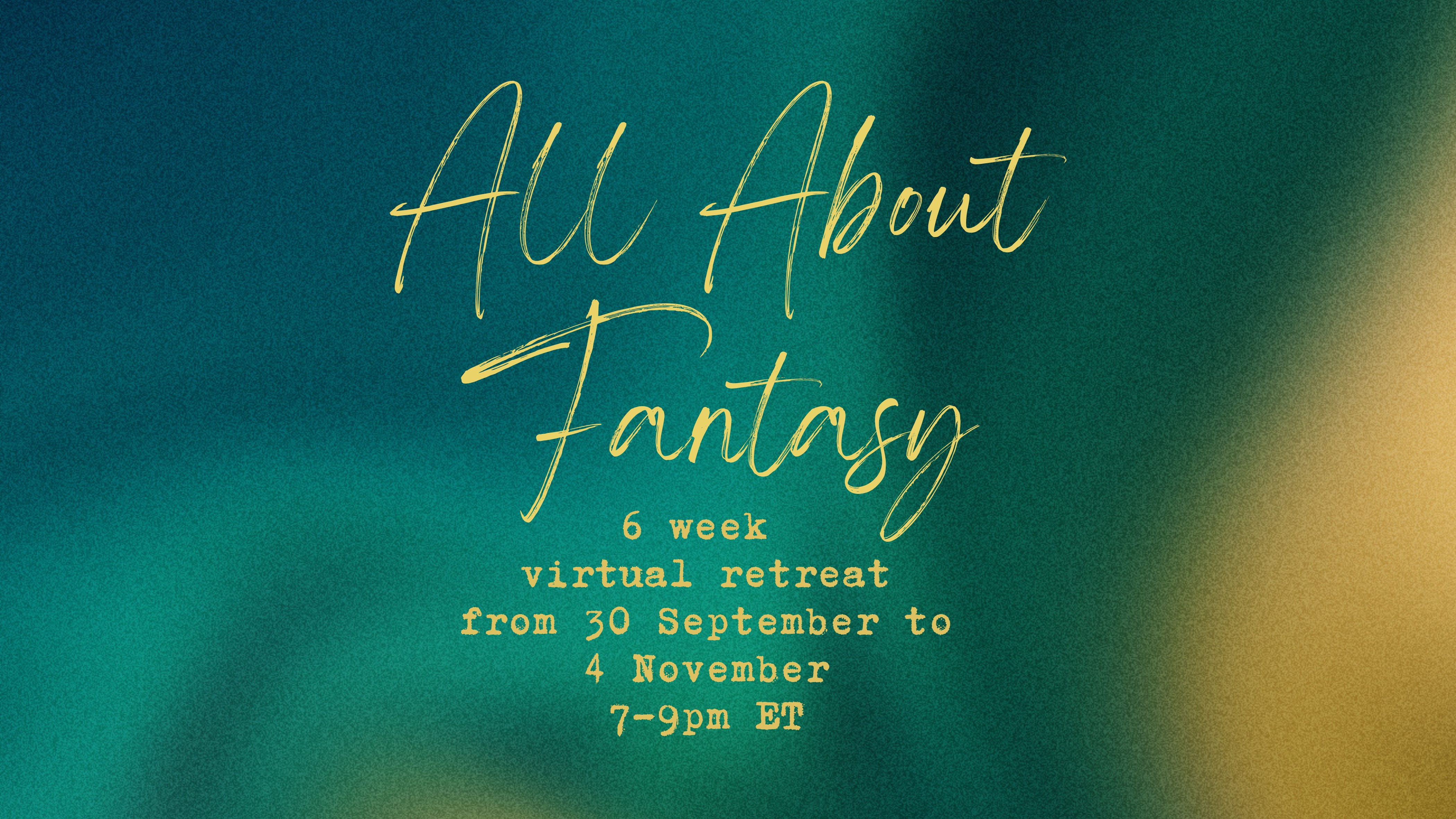
In recent years, fantasy and romantasy have made a huge impact on the market. From seven figure deals and self-published sensations to BookTok, the book market has been radically transformed by the huge sales and demand for a genre that whisks us away to a new world with the turn of the page.
But what does this mean for new authors?
Join Bianca Marais (the USA TODAY bestselling author of A Most Puzzling Murder and a cohost on The Shit No One Tells You About Writing) for a 6-week virtual retreat that will answer this question and so many others!
Whether you write YA Fantasy, Romantasy, Adult Fantasy, Epic Fantasy, Dystopian Fiction, or any other variation of the genre, you won’t want to miss out on this amazing 6 weeks of learning dedicated especially to you and those writing in your genre.
The incredible lineup of speakers includes:
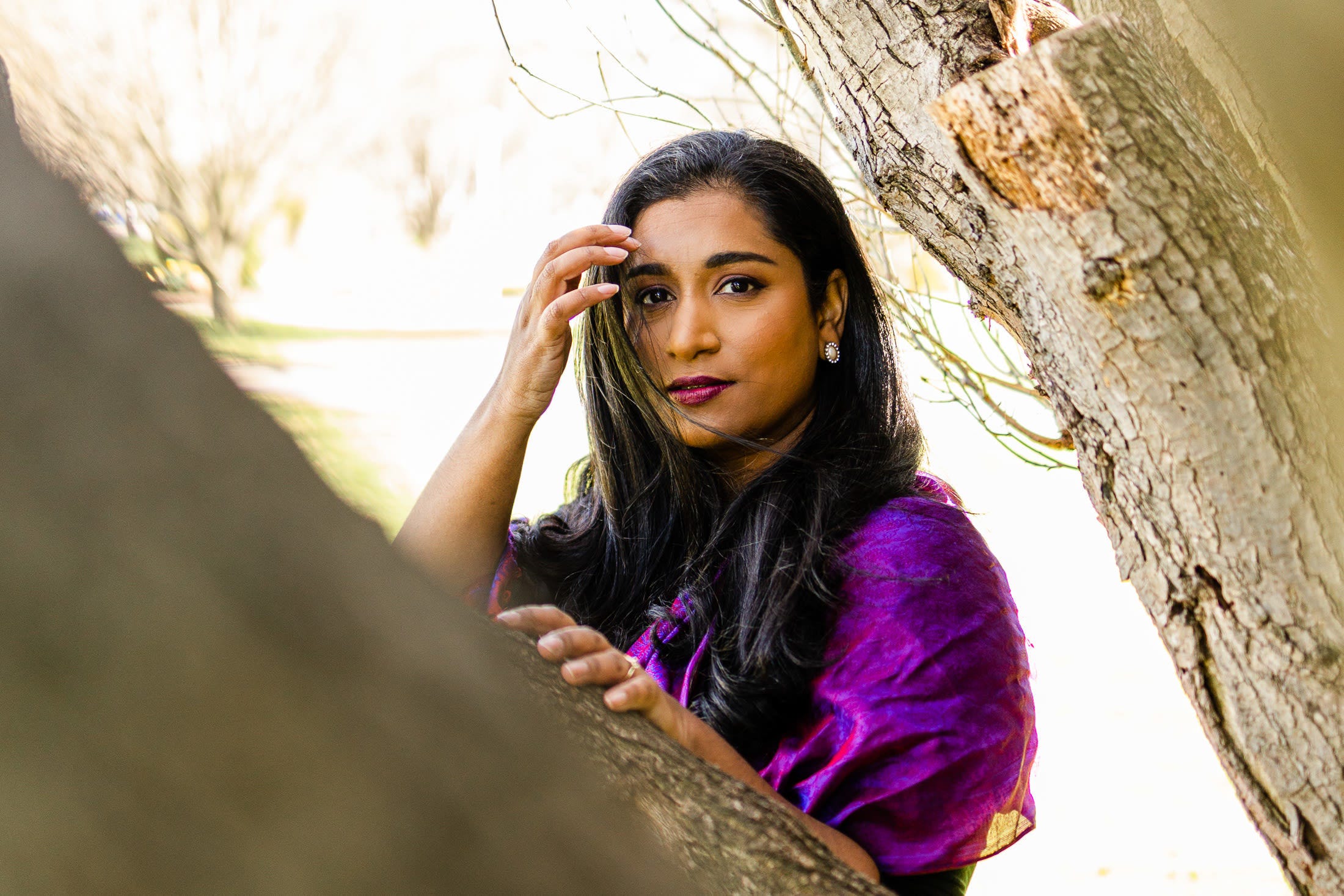
Anuja Varghese (she/her) is an award-winning writer of literary fiction, fantasy, and erotica/romance where women of color get leading roles! In 2023, her short story collection, titled Chrysalis, won the Governor General’s Literary Award for Fiction, and in 2024, was longlisted for the Carol Shields Prize for Fiction, among others. Her debut novel, A Kiss of Crimson Ash, the first in a new medieval India-inspired romantasy trilogy, came out earlier this year, with book two scheduled for release in spring 2027. Anuja lives in Hamilton with her partner, two kids, and two cats.
Anuja’s Topic: WRITING SEX & MAGIC: A bit of craft and a bit of courage!
Sex and magic – both awesome, both common elements in most fantasies/romantasies (to some degree), both REALLY challenging to write well. Join award-winning author Anuja Varghese for an interactive discussion around writing romance, building sexual tension (and yes, actually writing the spice!), combined with writing magic systems that feel complex instead of convenient and propel your story forward. In this session, Anuja will guide you through fun, low-pressure writing prompts to play with common fantasy and romance tropes, to get past feeling awkward or silly about writing sex and magic, and to leave with new ways to weave these deeply compelling pieces together in your own work.
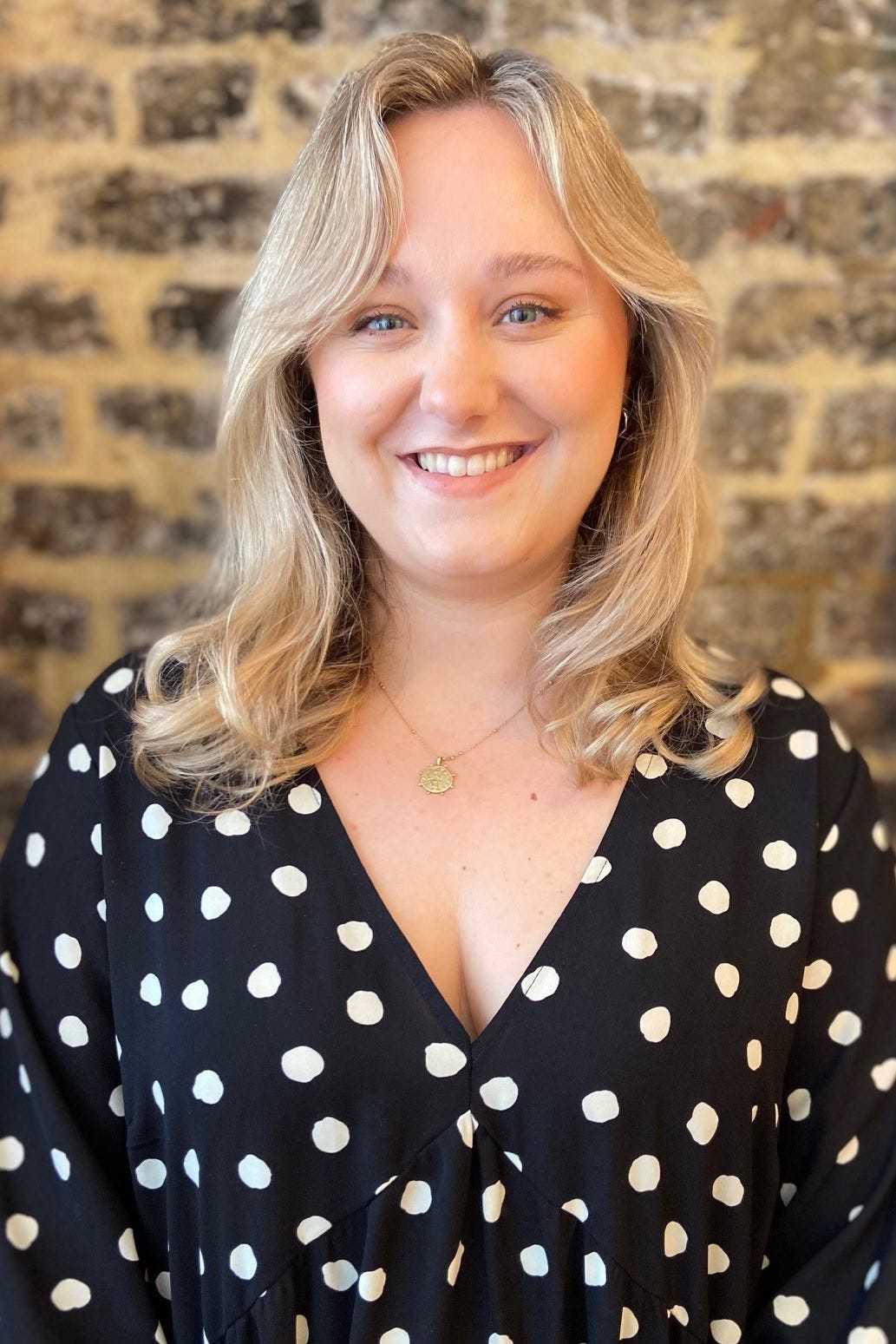
Maddy Belton joined Madeleine Milburn Agency in 2022 to build a list specialising in SFFH and romance. Her list includes bestselling authors Lucy Jane Wood, Alexandra Christo, V.S. Bovalino and No.1 Sunday Times bestselling Maithree Wijesekara and Amanda Connolly. She represents adult and YA fantasy, romantasy, science fiction, horror and romance. She was a Bookseller Rising Star in 2025 and is always on the lookout for books with big feelings, that help us all escape when we need to.
Maddy’s Topic: What Makes an Editor or an Agent Stop in Their Tracks?
In recent years fantasy and romantasy have made a huge impact on the market. From seven figure deals and self-published sensations to BookTok, the book market has been radically transformed by the huge sales and demand for a genre that whisks us away to new world with the turn of the page. But what does this mean for new authors? How can you make your voice stand out in the ever-growing crowd? Using real examples, Maddy Belton speaks to the new era of fantasy publishing, with advice on querying, editing and the publishing experience. This session is for anyone looking to learn more about the fantasy book market in general (and all its niches!), who is looking for exciting ways to pitch their work and showcase what makes their story sing.
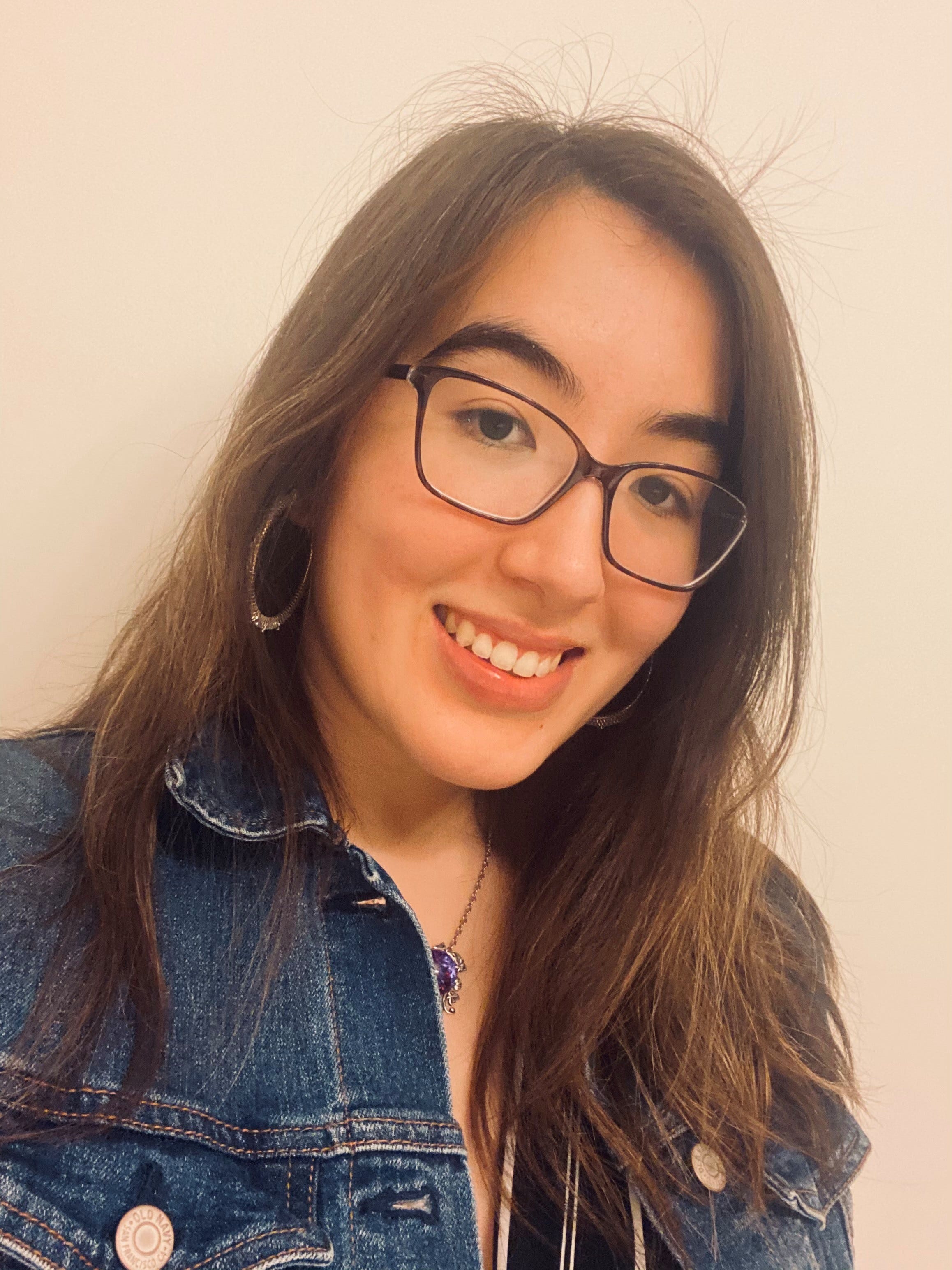
Amanda Ferreira is an editor at Random House Canada. She primarily acquires adult fantasy, romantasy, and contemporary romance, and is drawn to books with an early hook, accessible worldbuilding, and diverse characters that feel true to the communities they’re a part of. In particular, she loves morally grey FMCs, green flag MMCs, and tropes like friends-to-lovers and there’s only one bed. Her list at Random House Canada includes Heavenly Bodies by Imani Erriu, A Dance of Lies by Brittney Arena, Tethered by Elayna R. Gallea, and Morgan Is My Name by Sophie Keetch.
Amanda’s Topic: Fantasy Market Trends
From romantasy to dystopian, dark academia to LitRPG, self-published books to fanfiction, join Random House Canada editor Amanda Ferreira as she pulls back the curtain on what’s in her inbox while she discusses the fantasy subgenres she sees selling at auction, dying on sub, or just beginning to break out.
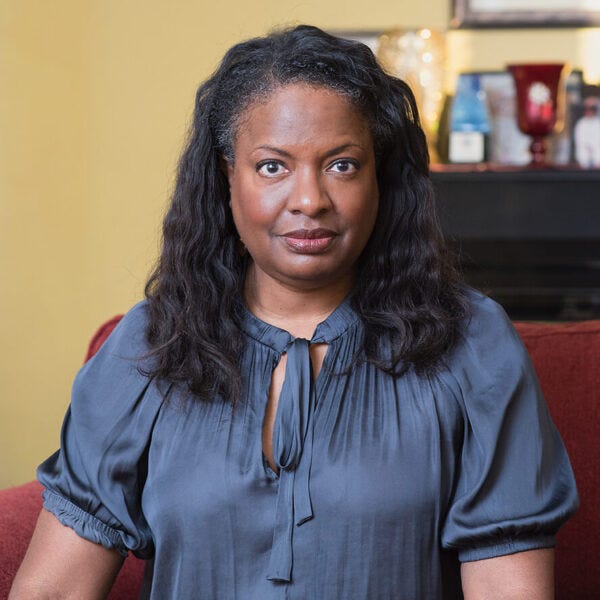
Rachel Howzell Hall is the New York Times, Wall Street Journal and USA Today bestselling author of 17 novels, including the bestselling thrillers, Mist and Malice and Fog and Fury, and the romantasy, The Cruel Dawn, and the Good Morning America Book Club selection, The Last One. She is also the author of bestselling thrillers, including What Fire Brings, What Never Happened and These Toxic Things. She is a two-time finalist of the Los Angeles Times Book Prize for And Now She’s Gone and We Lie Here.
Rachel has been nominated for a number of mystery awards, including the Anthony, Strand and International Thriller Award, the Lefty, Barry and Shamus. She is also the author of the Audible Originals bestseller See How They Run, and the Thriller Award- and Audie Awards-nominated How It Ends, Rachel is a New York Times bestselling author of The Good Sister with James Patterson. She’s also received acclaim for They All Fall Down and for her Detective Elouise Norton series.
Her shorter works have appeared in Ellery Queen Mystery Magazine, Shattering Glass and Unoccupied Earth. “Breakdown in the Right Lane,” was published in Alta Magazine and was selected as a Distinguished Story in Best American Mystery & Suspense for 2023. Her short story, “Clout Chaser,” was a nominee for the British Crime Writers Association’s Short Story Dagger Award.
Rachel is a former member of the board of directors for Mystery Writers of America and was a featured writer on NPR’s acclaimed Crime in the City series and the National Endowment for the Arts weekly podcast; she has also served as a mentor with Sisters in Crime, Pitch Wars and the Association of Writers Programs.
Rachel lives in Los Angeles with her husband and daughter. For more information, visit
www.rachelhowzell.com
Rachel’s Topic: Flawed, Fierce, and Unforgettable
What makes a good romantasy? It isn’t just the magic or the world-building–it’s the complex, beautifully flawed characters fighting for their lives and their hearts.
Join bestselling author Rachel Howzell Hall for an insightful, practical deep dive into character creation and developmental editing. In this session, you’ll learn how to move beyond basic tropes by layering your heroes and villains with captivating contradictions, raising the stakes to drive narrative momentum, and using dialogue and setting to reveal deep character truths.
Bring your questions for a live Q&A and discover how to craft unforgettable characters readers will passionately root for from page one.
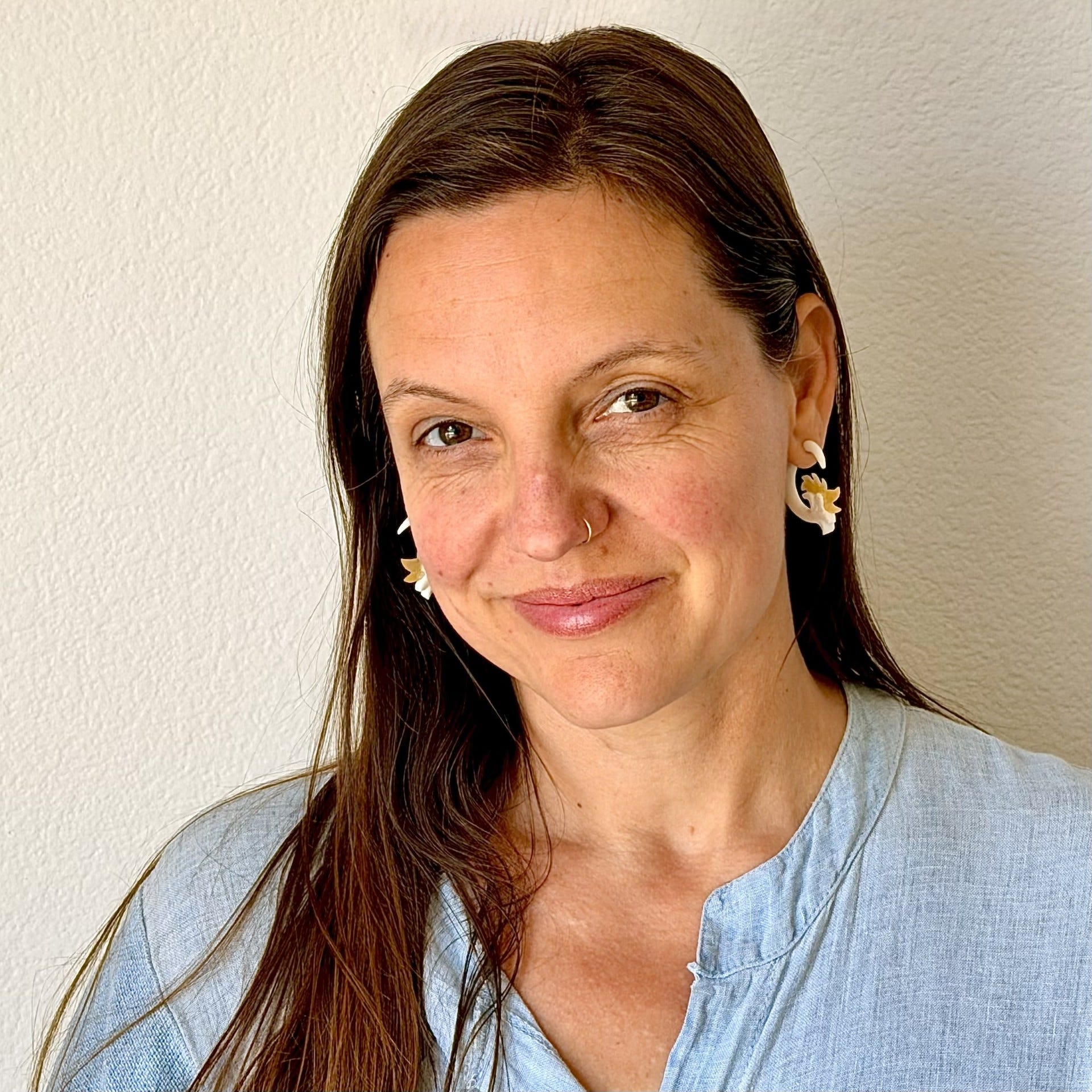
Literary Agent Mary C. Moore has represented the Nebula-nominated The Unbroken by C.L. Clark (Orbit,2021); and Indie Next and Book of the Month pick The Keeper of Night by Kylie Lee Baker (Inkyard, 2021).
Mary’s first career was in field biology, which took her around the world, from Ghana to Costa Rica to Maui, before settling at the San Francisco Zoo. But her love of books proved to be just as strong as her love of animals.
While working at the zoo she earned her MFA in Creative Writing and English at Mills College, Oakland. She worked as a literary agent at Kimberley Cameron & Associates before moving to Aevitas. Mary represents a wide range of fiction as an Aevitas agent based in the Bay Area.
Mary’s Topic: Queries with Mary
Mary will do a live critique of 3-4 query letters submitted by delegates ahead of the retreat to help ensure they’re as good as they can possibly be ahead of delegates querying their dream agents.
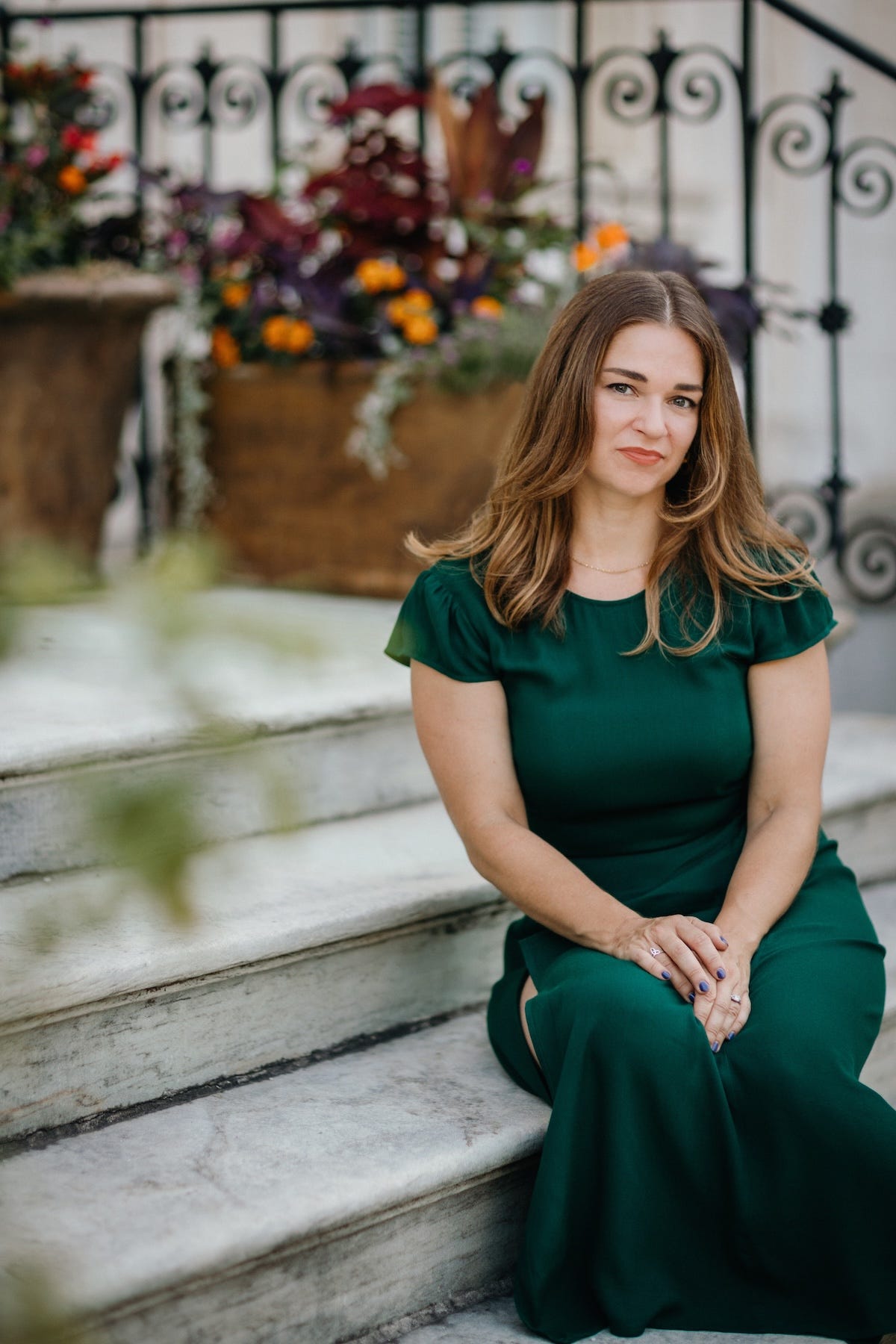
Jennifer Michelle Herrera was born in northwest Ohio and has lived in Missouri, California, Michigan, New York, and Pennsylvania. She studied philosophy in graduate school before moving to New York City, where she became literary agent.
She went on to represent New York Times bestsellers, IndieBound bestsellers, and winners of multiple prestigious awards.
Jennifer lives in Philadelphia (go Birds!) with her husband, children, and two rambunctious kittens. She loves karaoke, making outlandish assumptions based on people’s charts, and, of course, taking care of her many plants.
Her latest novel is Siren Says.
Jennifer’s Topic: Building Worlds That Readers Want to Get Lost In
One of the most challenging aspects of writing fantasy is creating a dynamic, believable world that also drives forward the plot and enhances characters’ development. In this course, we will look at successful fantasy worlds in some of the books we love and analyze why they worked. We will also develop our own blueprint for creating (and improving) the fantasy worlds in our own novels. These will be based on the magical rules of our world, the setting, the abilities of the characters, the plot archetypes, our character arcs, and how to develop our fantasy worlds slowly over time so as not to overwhelm the reader. Folks will come away from this course empowered to create and re-evaluate the immense worlds they’ve imagined.
The cost for the six-week course is $229.00
That’s all for this week’s news! If you enjoyed it, why not share the love? 🥰
Tune in again next week for more invaluable wisdom from our wonderful hosts! Until then, happy writing! 😍
❤️ The Shit No One Tells You About Writing Team
Our work takes place on land now known as Toronto and Ottawa and we acknowledge that these are the traditional territories of the Mississaugas of the Credit, the Anishnabeg, the Chippewa, the Haudenosaunee, and the Wendat Peoples as well as the unceded, unsurrendered territory of the Anishinaabe Algonquin Nation. Toronto is covered under Treaty 13 and the Williams Treaties. We respect and affirm the inherent and Treaty Rights of all Indigenous Peoples across this land and acknowledge the historical oppression of lands, cultures, languages, and the original Peoples in what we now know as Canada. We invite you to learn more about the land you inhabit, the history of that land, and how to actively be part of a better future going forward together at Native Land or Whose Land.
Cece Lyra is a literary agent at Wendy Sherman Associates. If you’d like to query CeCe, please refer to the submission guidelines at www.wsherman.com. Carly Watters is a literary agent at P.S. Literary Agency, but her work on this podcast is not affiliated with the agency, and the views expressed by Carly on this podcast are solely that of her as a podcast co-host and do not necessarily reflect the views, opinions, policies, or position of P.S. Literary Agency.